using drone technology

If you need to conduct inspections, drone technology is your best bet—it makes the process faster, safer, and more efficient.

Drone Inspections – Technical Inspections with New Levels of Efficiency

Drone inspections are one of those technical advancements that save companies a great deal of time and money on inspections while also improving safety. Industrial companies with metal storage tanks and pressure equipment know all too well that complying with all standards—such as the Pressure Equipment Directive (DGRL)—requires considerable effort.

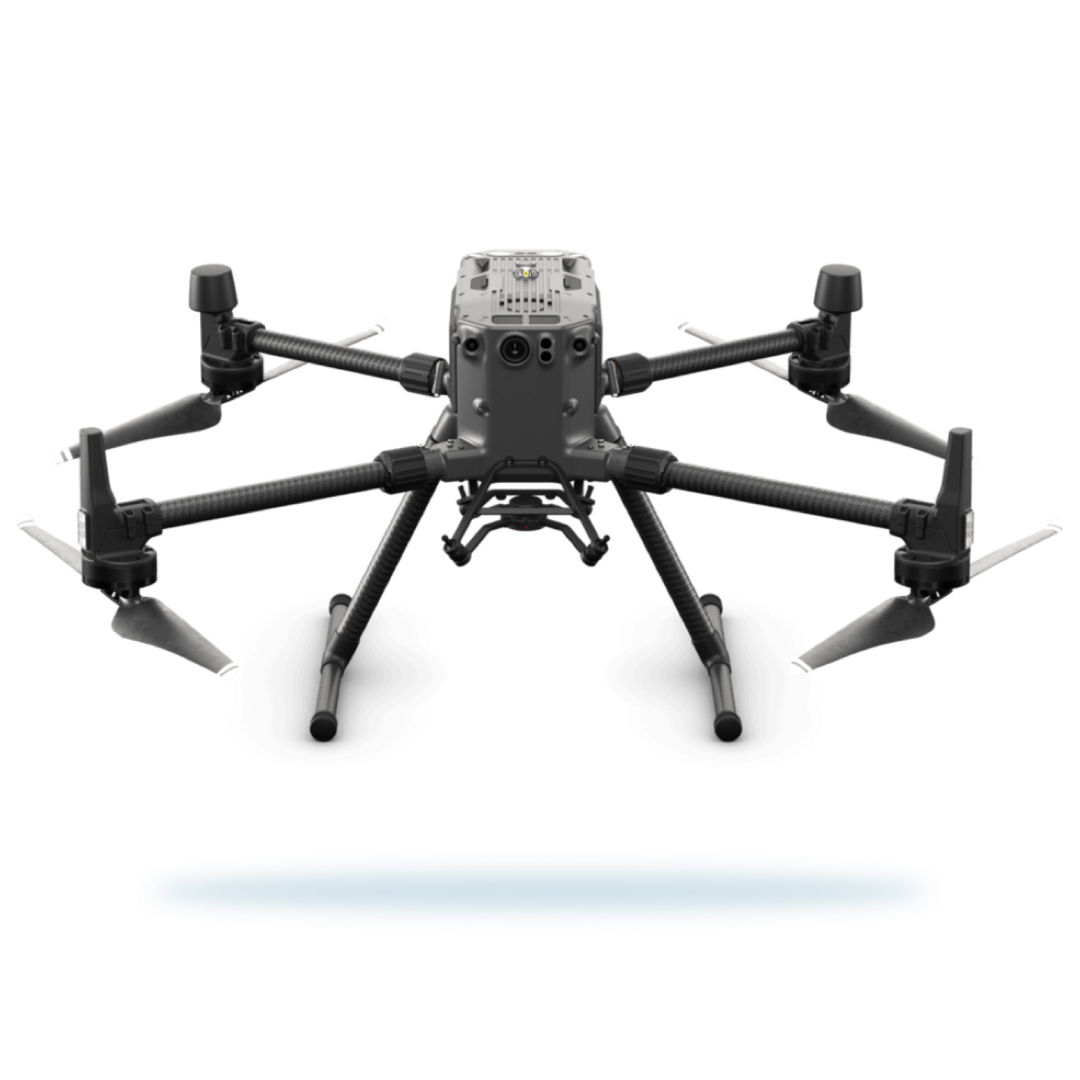
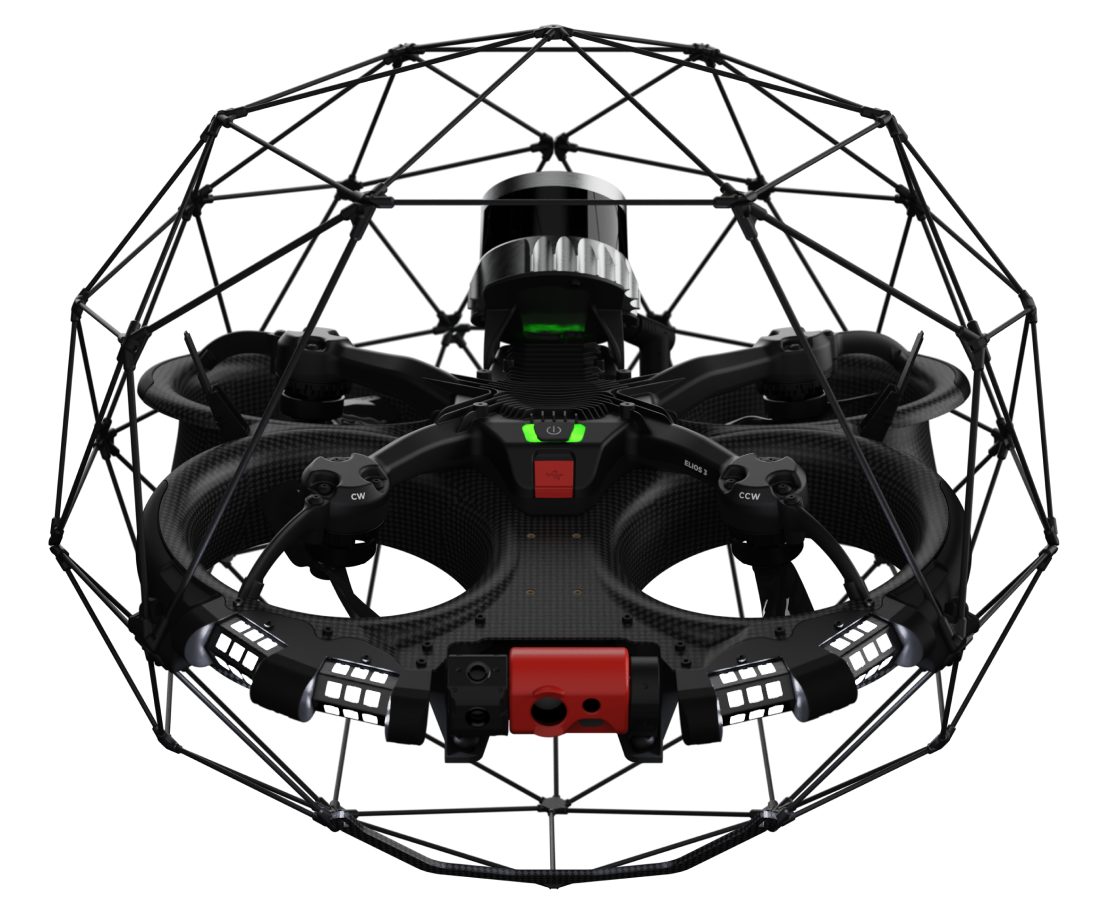
The good news: The combination of the expert knowledge of a specialist with many years of experience and state-of-the-art drone technology used at SmartInQ makes technical inspections significantly more cost-effective, faster to carry out, and safer. We use high-quality drones that are considered particularly safe and reliable for good reason.
Whether it’s an industrial plant, a production facility, or a photovoltaic system —inspections using drones are quick to complete, are precisely documented, and eliminate the need for scaffolding as well as dangerous climbing.
Popular applications for drone inspections include routine inspections of all kinds, the inspection of hard-to-reach parts of industrial facilities, inspections and, in particular, thermography in the renewable energy sector—such as for photovoltaic systems and wind turbines—as well as photo or video documentation of construction progress.

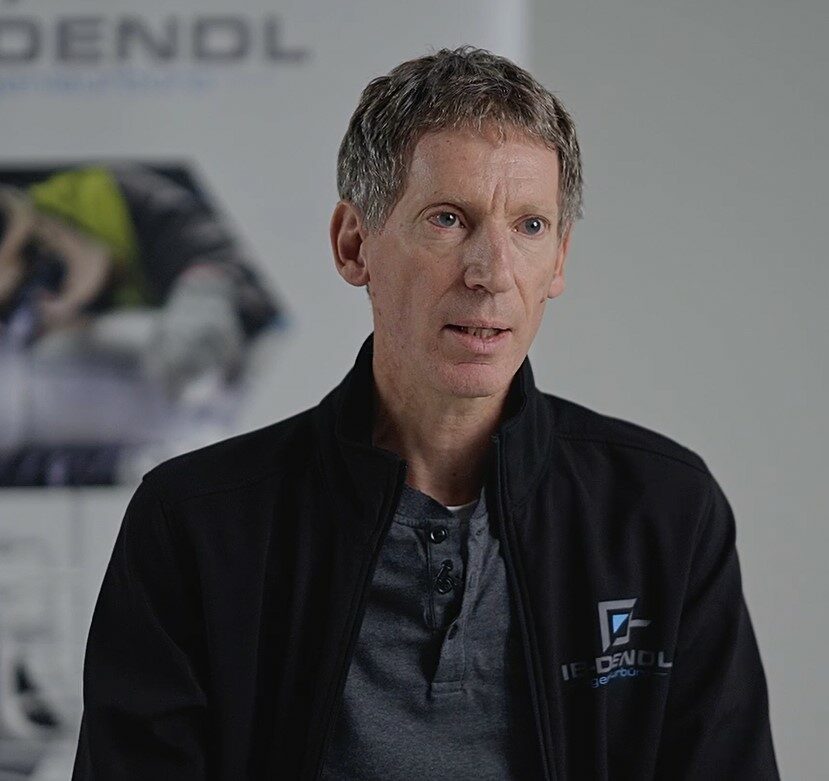
Everything that is visible is also detected by the drone. Drone inspections often save SmartInQ customers up to 60% in time and costs.

Roman Dendl

CEO of SmartInQ

The drone makes it easy—all of it:

Inspections in Compliance with Laws and Standards

Accurate Diagnosis for Efficient Damage Repair

A Clear Picture of the Overall Situation of Industrial Facilities

Quality Assurance

Maintenance & Damage Prevention

Safe inspection even in challenging situations

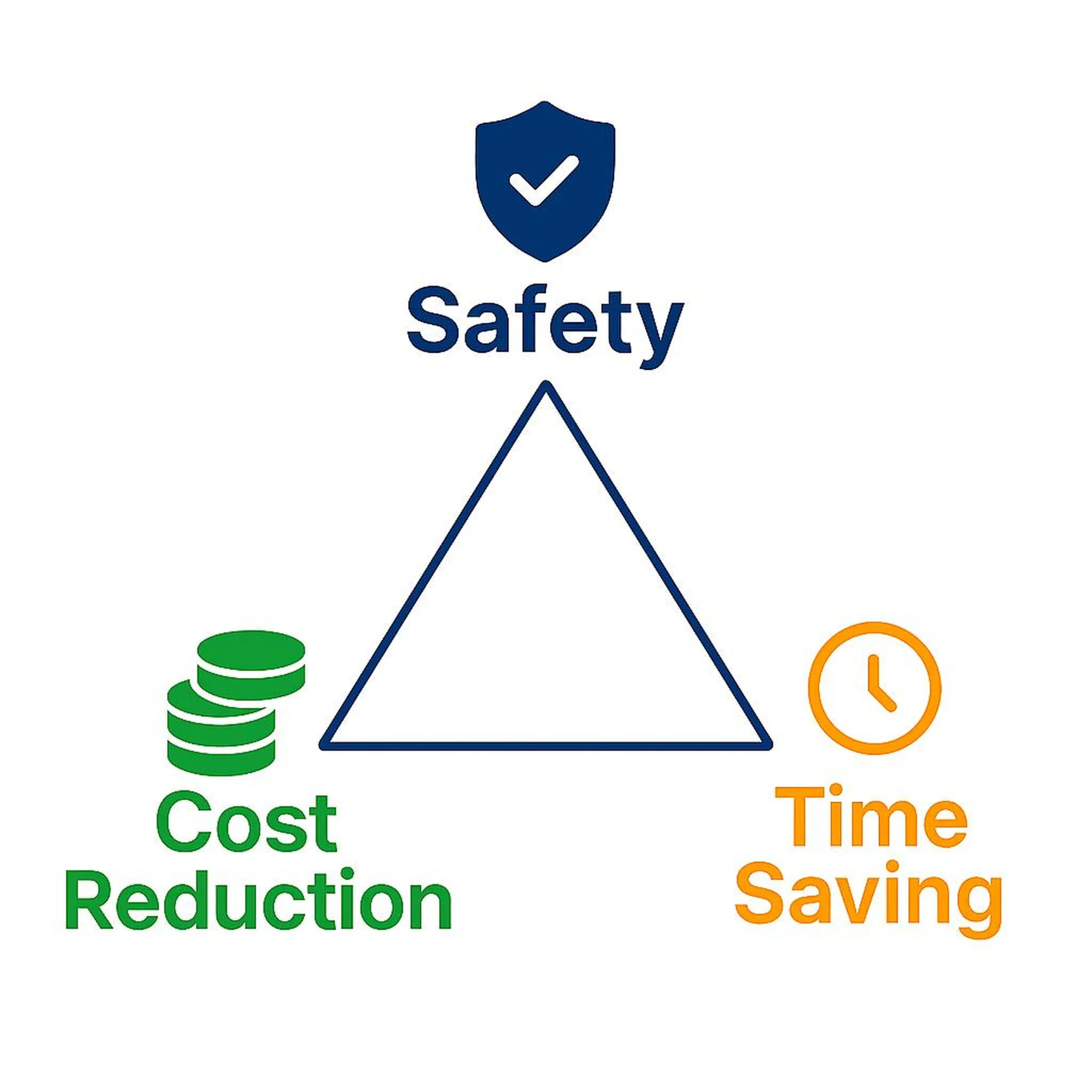
Unbeatable Arguments:
Security – Cost – Time

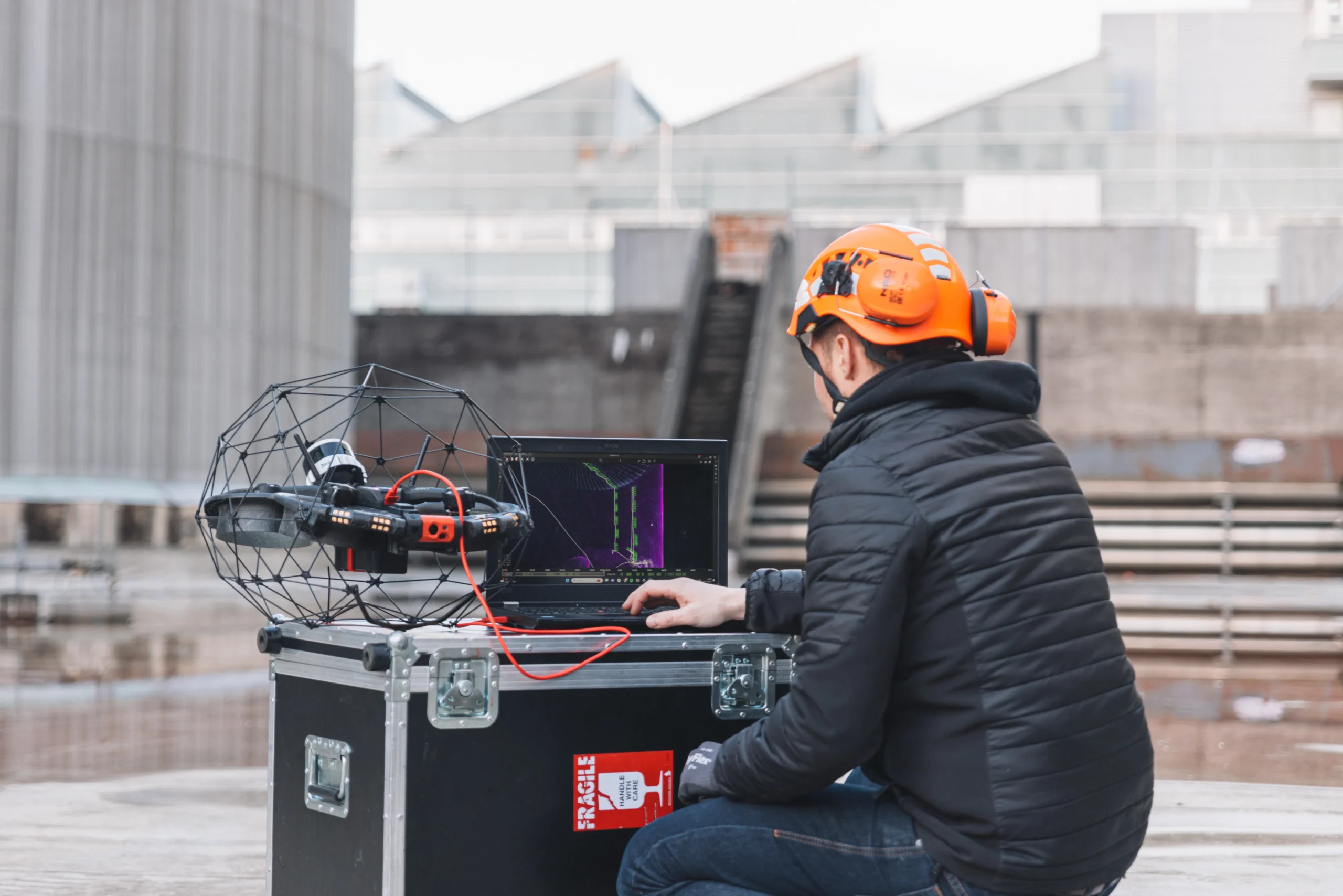
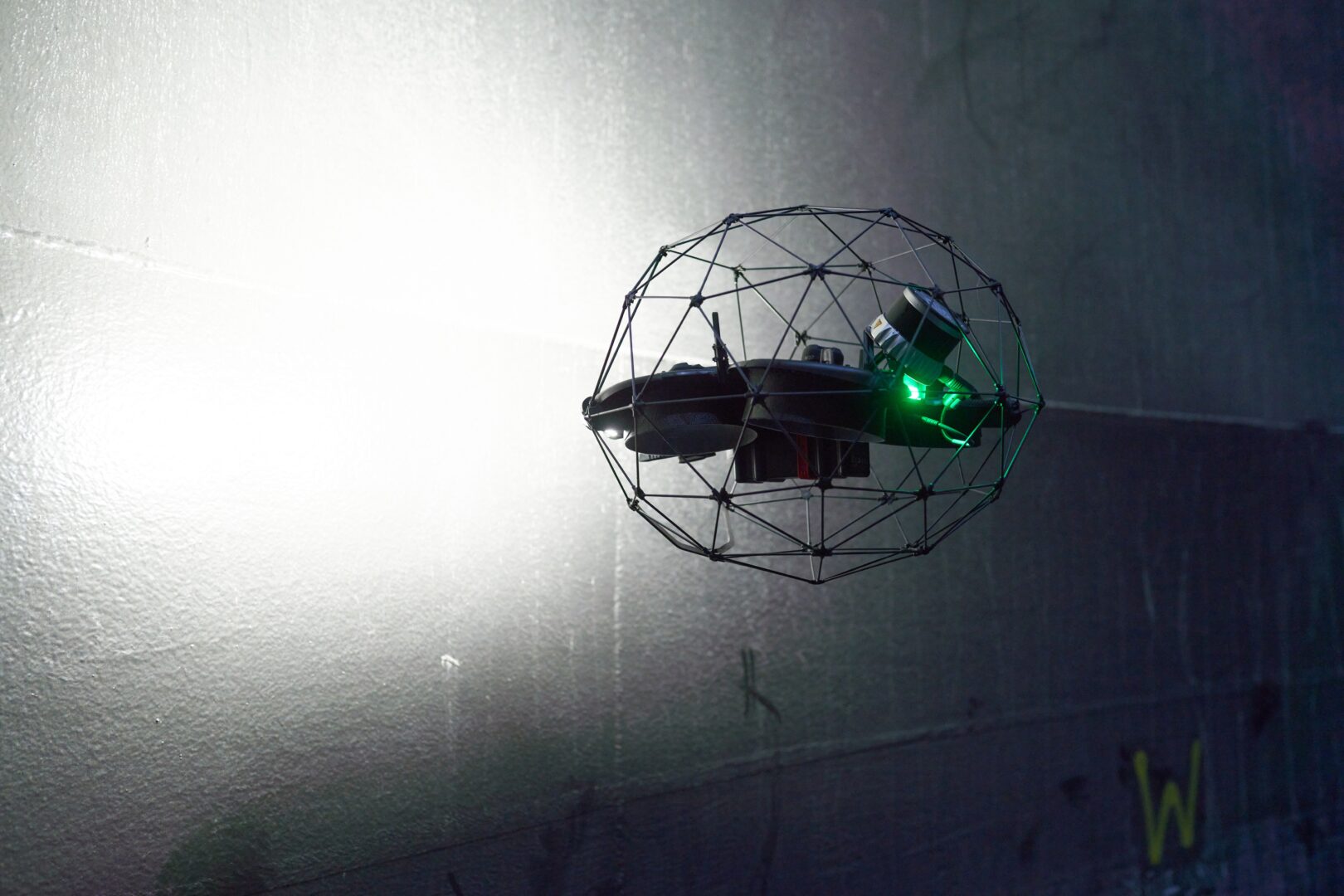
A drone inspection typically takes only a few hours and can often be completed on the same day. Neither scaffolding nor cranes or aerial work platforms are required. The drone can inspect, for example, hard-to-reach roof areas, tall silos and tanks, or complex industrial facilities without putting people at risk or requiring them to enter hazardous areas. This allows inspections to be carried out efficiently, safely, and with minimal effort.

In many cases, the use of drones for technical inspections can prevent plant shutdowns —or, in cases where an operational interruption is necessary, ensure that it lasts much shorter than with conventional inspection methods.

In the end, you receive comprehensive, transparent documentation with videos, which simplifies demonstrating your industrial facility’s compliance with standards. The data prepared in this way can be made digitally accessible to all responsible parties.

Precise inspections also support the preservation of your facility’s value in a simple and highly efficient manner.

Technical safety, reliability, legal certainty.

Inspections conducted properly using drones provide safety on multiple levels

Periodic aerial inspection

In addition to its efficiency and safety, drone inspection with video documentation offers further advantages. One of these is the ability to visualize changes in the facility that develop gradually. Video documentation makes developments in industrial facilities—such as wear and tear—visually traceable. By entering coordinates, the drone can always film from exactly the same angle. This makes it possible to observe changes that have occurred between one inspection and the next.

Among other things, this can be helpful for estimating the plant’s expected service life —and thus for calculating future shutdowns.

A Revolution in Maintenance: Ultrasonic Wall Thickness Measurement Using Drones

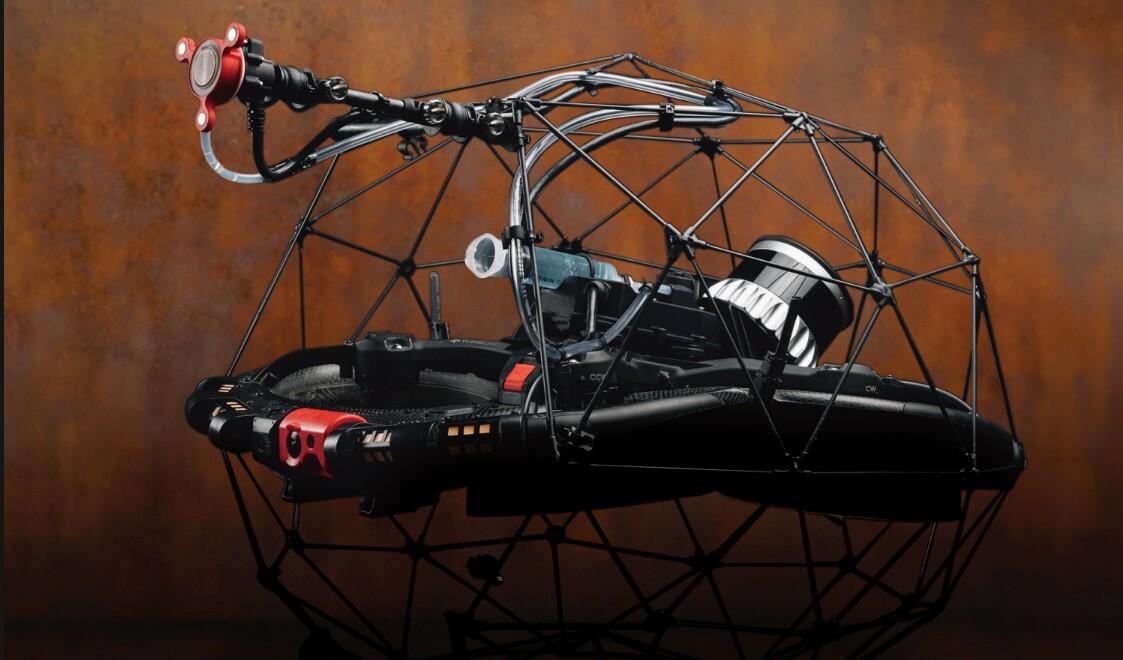
Drones equipped with so-called UT payloads can guide the ultrasonic probe to the surface of the object being inspected—either autonomously or via remote control—and perform the measurement there. Modern systems not only provide thickness measurements but also high-resolution A-scans and use laser pointers to precisely target the measurement points. The data is transmitted in real time. SmartInQ is at the forefront with the latest technology.

Precision from the Air: Surveying and 3D Point Clouds Using Drones

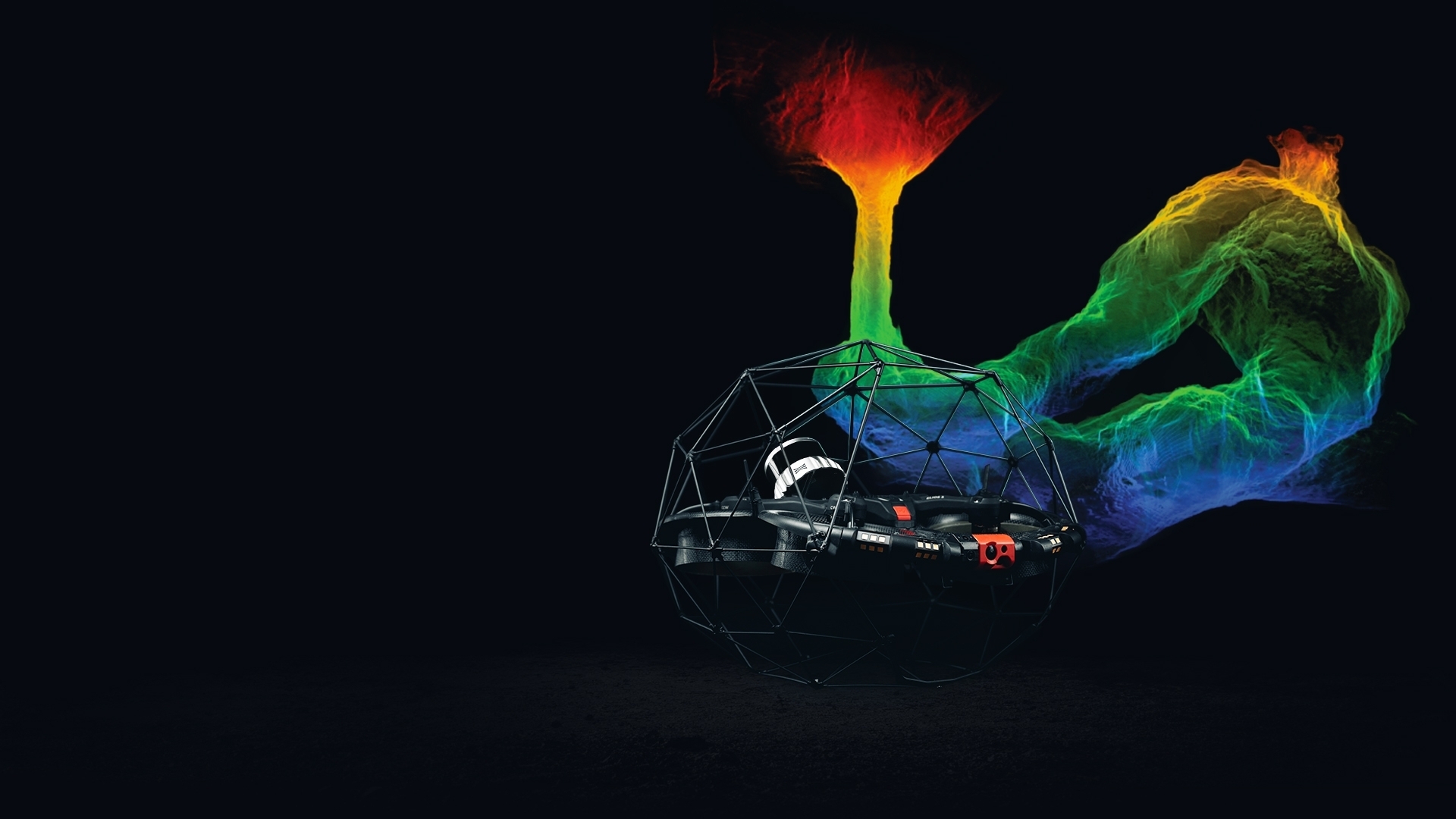
Drone surveying has established itself as one of the most efficient methods for capturing precise geodata. At the heart of this technology is the 3D point cloud. The resulting point clouds form the basis for a wide range of applications, including the creation of high-precision topographic maps, monitoring construction progress, conducting infrastructure surveys, and quickly and accurately calculating material volumes. SmartInQ offers this technology for both outdoor and indoor drones.

"Doesn't everyone fly drones anyway?"

Drones are all the rage—but those who fly them often know only how to do one thing: fly drones.

At SmartInQ, in addition to drone flight services, you’ll receive the inspection expertise of a certified expert with many years of experience, in-depth knowledge of industrial facilities and the Pressure Equipment Directive (PED), as well as precise diagnostics, evaluations, and documentation.

Our Brochure on Drone Inspections

Download our drone inspection brochure for even more insights and information. Simply fill out the form, and we'll send it to you.
GDPR*

You can book your next drone inspection right now.

Safe for tanks, equipment, and entire facilities; safe for people.

Download the brochure

Download our brochure for even more insights and information. Simply fill out the form, and we'll send it to you.
GDPR*