Thermography

specifically for industrial facilities and in the renewable energy sector

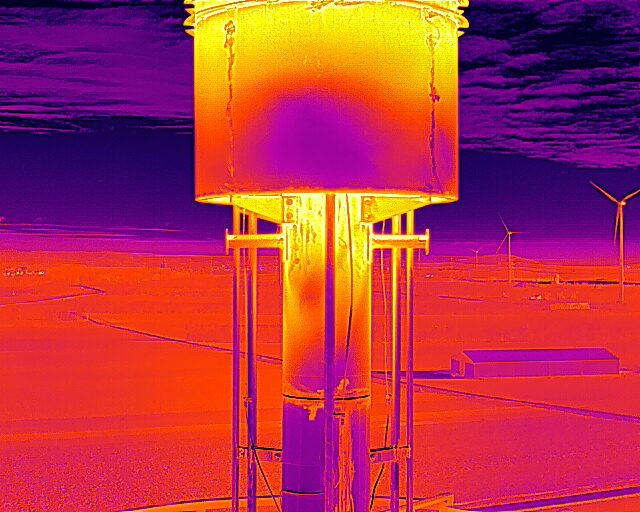
Thermal images speak louder than 1,000 words—and they do so in very concrete numbers.

With SmartInQ, object thermography and thermography become a reliable source of information for a wide variety of operational applications. Whether it’s photovoltaic systems or high-voltage installations, pump thermography or leak detection, inspections of electrical systems and floor heating systems, or hotspot measurements in municipal settings: infrared thermography delivers clear results that make it easy to find leaks or faults, optimize technical systems, and shape cities for a livable future.

Visible Heat Optimizes Technical Systems

The combination of drones and infrared technology allows critical conditions to be detected quickly, precisely, and without physical contact.

Roman Dendl

CEO of SmartInQ

Drone Thermography – Capture Thermal Images with Reduced Effort and Risk at

Drone thermography helps prevent accidents and breakdowns and saves time and money—for example, on scaffolding.
Aerialthermographic images provide valuable assistance in many areas, such as in the search for missing persons, in identifying hot spots during firefighting operations, or in animal welfare efforts to track down fawns.
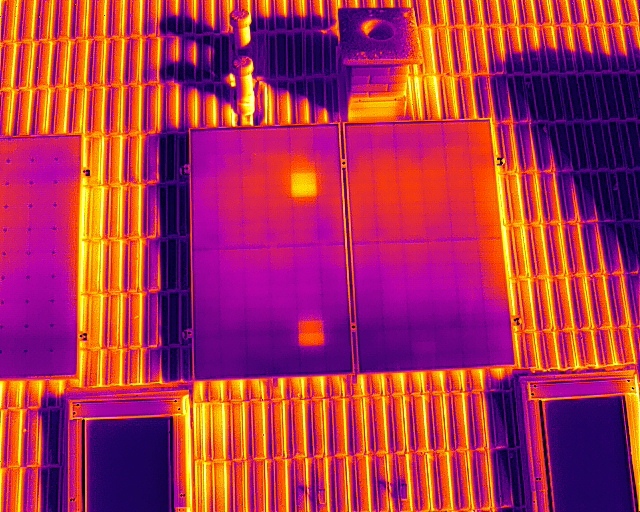
In the industrial sector, drone thermography is particularly common for inspections in the renewable energy sector, such as for inspecting photovoltaic systems, where defective cells can be easily identified.

Where would you like to make heat visible?

SmartInQ takes care of it for you.

Here's what SmartInQ can do for you using high-resolution cameras

Drone Thermography for Various Applications
Building Thermography
Electrothermography
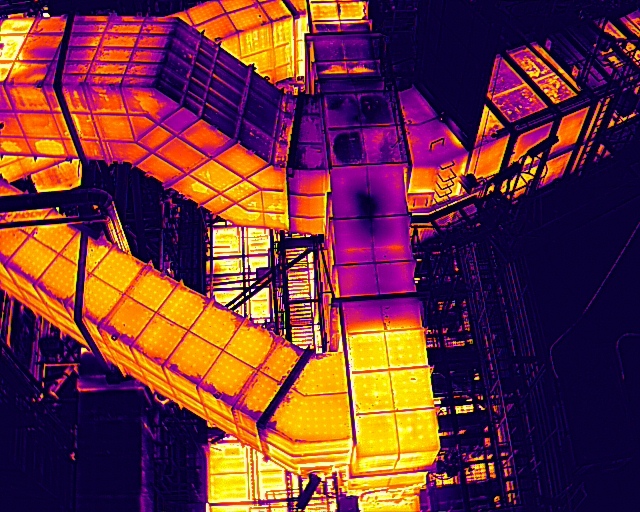
Industrial Thermography

e Thermographic Inspection of Photovoltaic Systems
Troubleshooting residential plumbing systems (e.g., radiant floor heating, heating systems, …)
Inspection of District and Local Heating Pipelines at
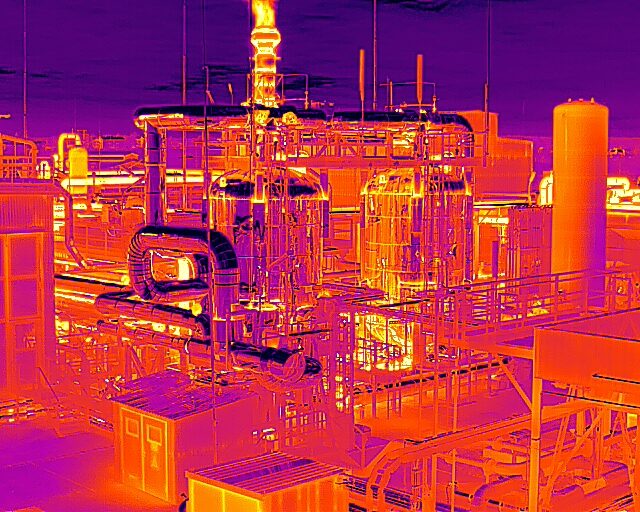
Thermal images of industrial facilities

Building Thermography

Building thermography plays a key role in improving the energy efficiency of buildings. Exterior thermography—which requires taking the time of year and time of day into account to ensure precise results—can, for example, identify thermal bridges and weak spots in window frames. Indoor thermography, for example, can identify areas at risk of mold growth in a timely manner.
Building thermography can also be used to inspect heating systems, piping, and the quality of construction work.

Electrothermography

A real safety factor: Thermographic inspection of electrical installations reveals defects associated with heat emission. Even loose cable connections—for example, on power disconnect switches—often increase resistance and thus the temperature. Taking timely action to prevent overheating can prevent serious damage and fires.
Systems do not need to be shut down for electrical thermography, which saves businesses downtime and operational losses.

Industrial Thermography

Mechanical systems, such as those found in many production facilities, can be optimized using thermal imaging. Data obtained through thermography helps ensure that equipment maintenance is cost-effective and meets quality standards.
Components such as pumps, in particular, often overheat—for example, due to friction or a lack of lubricant. Thermography quickly reveals such weak points.
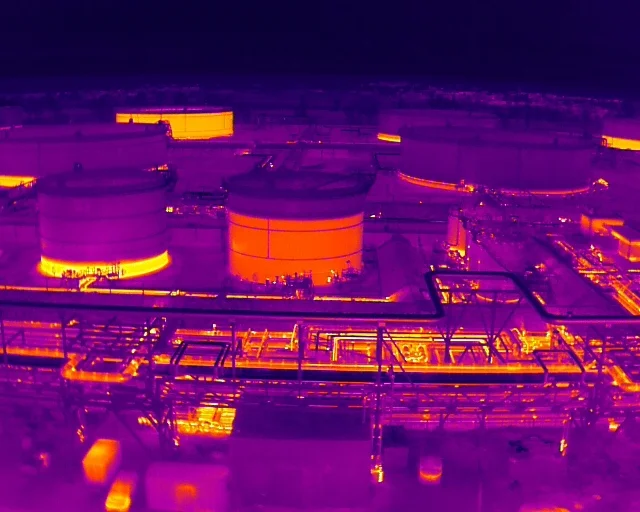
Inspections of storage tanks and piping are further areas of application for industrial thermography.

A desirable side effect of thermography is cost reduction, as the detection of temperature differences can significantly lower energy consumption.

Thermography for Industry

Would you like to schedule an appointment?

Download the brochure

Download our brochure for even more insights and information. Simply fill out the form, and we'll send it to you.
GDPR*